
History of the Ardning pastoral area
Here you will find information about the history ...
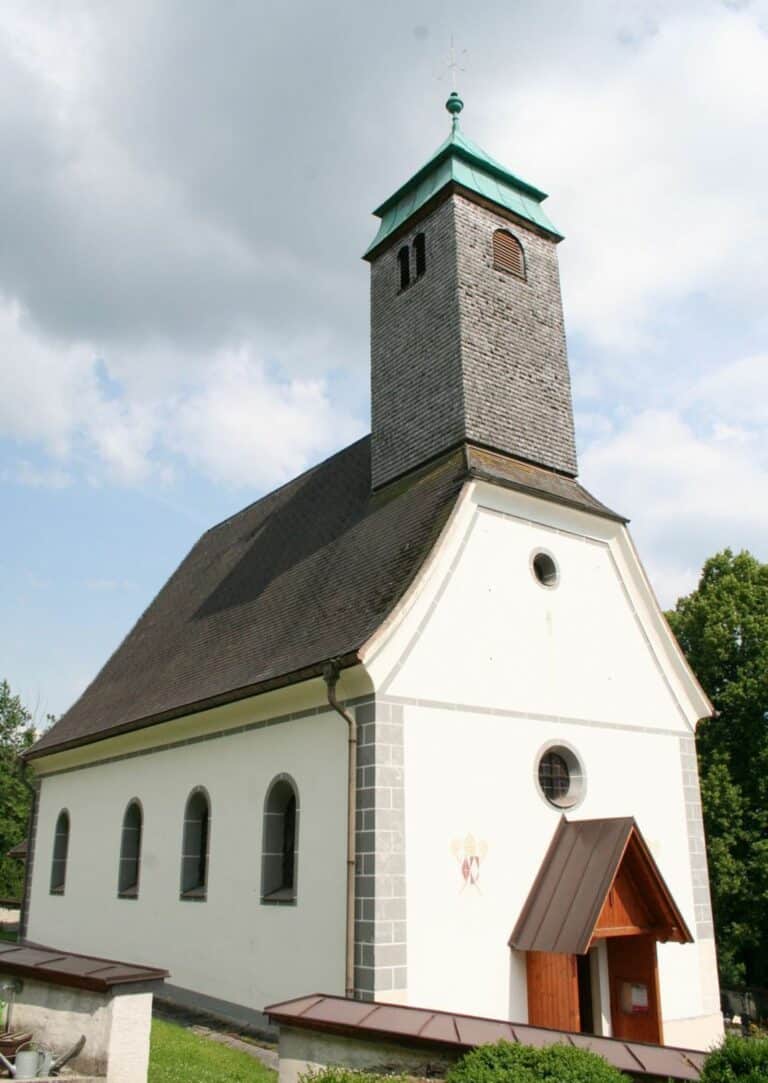
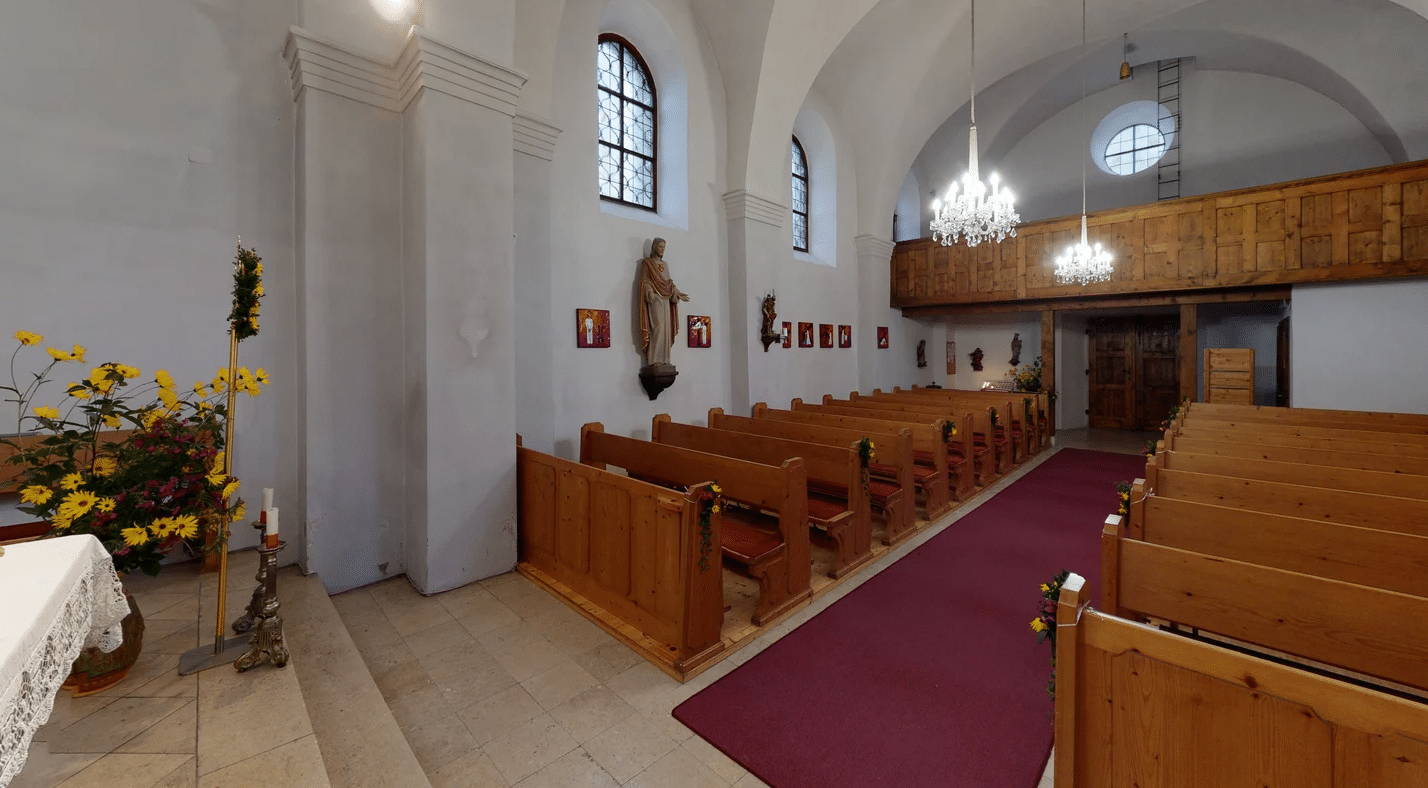
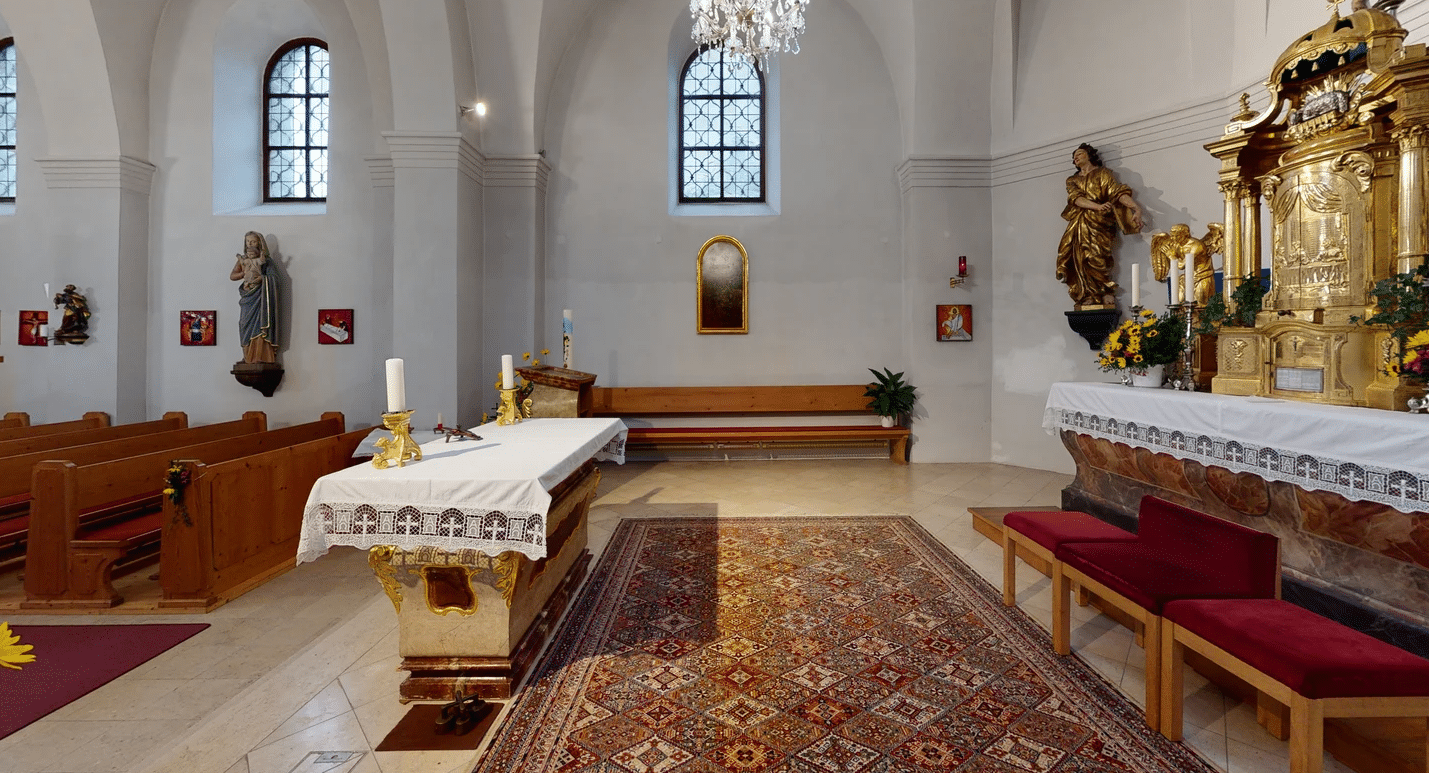
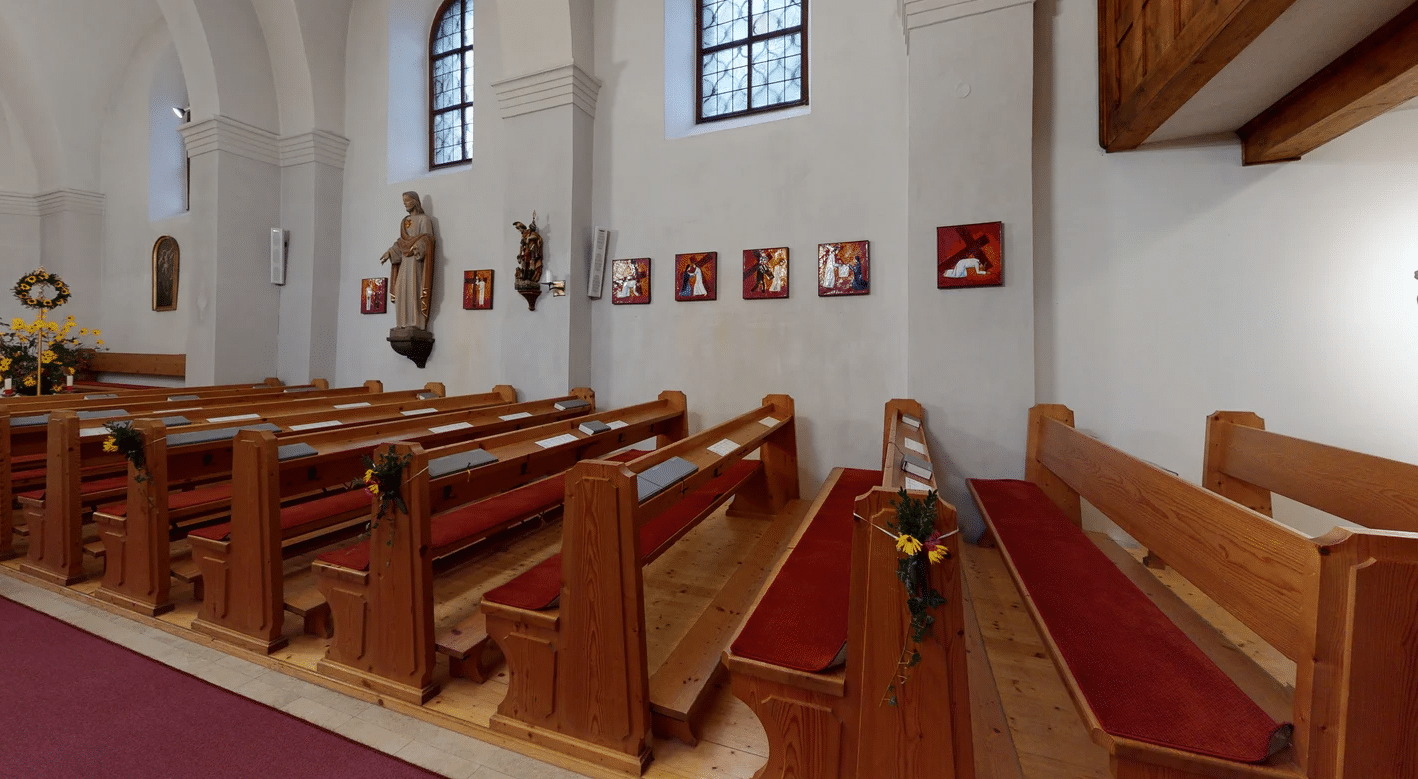
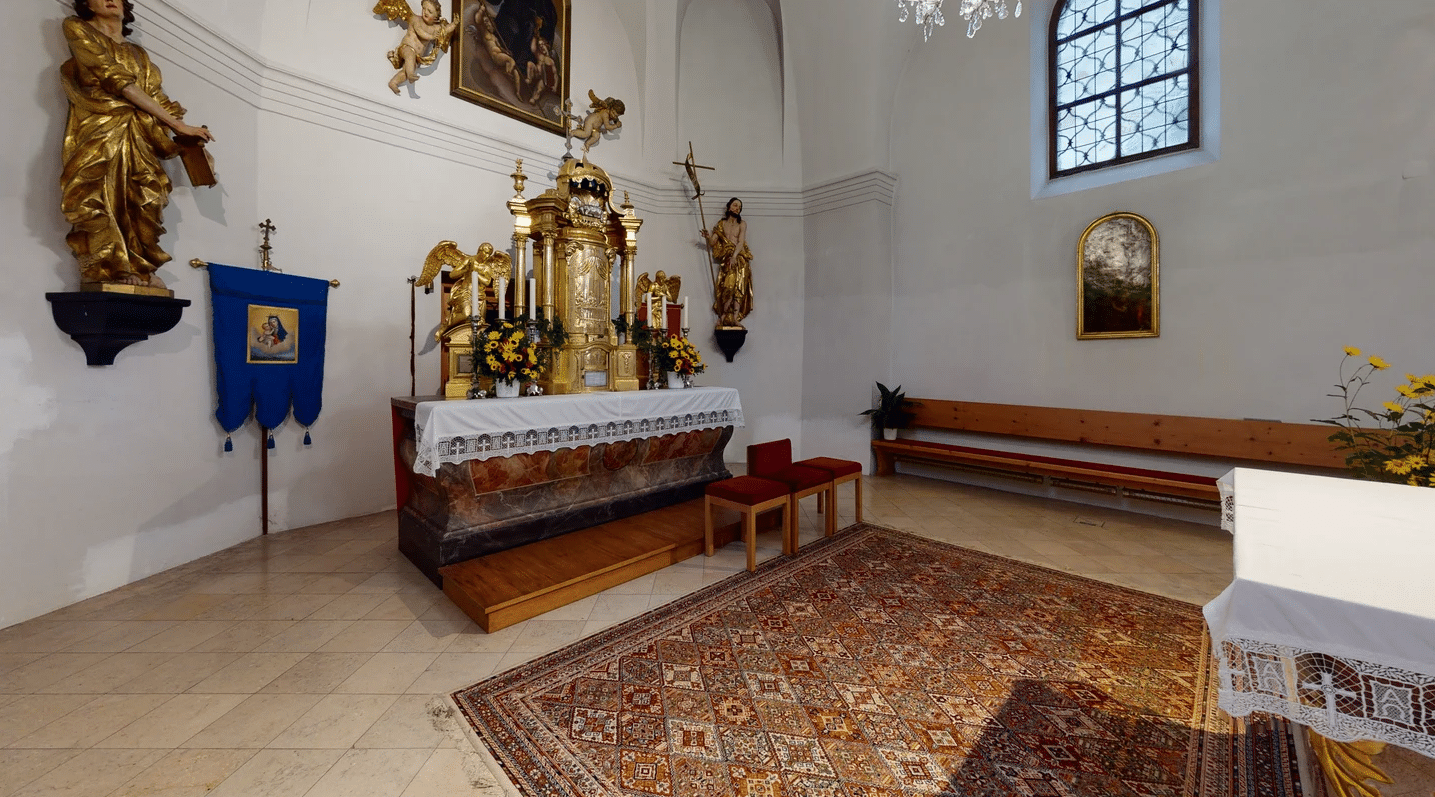
The parish area of Ardning originally belonged to the large mother parish of St Amandus in Admont, even before the foundation of Admont Abbey (1074). Due to the remote location of the settlement in Ardning from Admont, it seemed desirable to have its own church in the village so that the inhabitants of Ardning did not have to go to Admont to attend church and receive the sacraments. However, it is not known when the first church was built in Ardning. However, a place of worship must have already existed in the late 13th century, as a „Mesnerkeusche“ (sacristan's cottage) is mentioned in a register of Admont Abbey from around 1280. The patron saint was probably not chosen by chance: Churches were often dedicated to St John the Baptist, which were not originally the seat of their own parish, but were initially only granted the right to baptise and usually also the right to bury. In Ardning, both rights probably existed from the very beginning, as the cemetery surrounding the church was probably established very early on.
According to old tradition, Abbot Georg Lueger of Admont had the church rebuilt in the Gothic style around 1410, and at least a small part of the masonry of the presbytery and nave could date from this time. It was around this time that the pilgrimage to St Mary on the nearby Kulm, which soon became very important, was established, where pastoral care was initially also provided directly by Admont Abbey until the independent parish of Frauenberg was established around the middle of the 16th century. Ardning with its St John's Church was now placed under this new parish. It is known from around 1590 that the parish priest of Frauenberg or his chaplain came to Ardning seven days a year to celebrate services here.
In the 17th century, Admont Abbot Raimund von Rehling had the church in Ardning thoroughly renovated in the early Baroque style. He rededicated the church on 16 August 1666. In the course of Emperor Joseph II's reorganisation and consolidation of the parish network, the creation of a so-called „local curacy“ was also planned for St. John's Church, which was to be filled by a Benedictine monk from Admont. The pastoral parish was taken entirely from the parish area of Frauenberg, and in autumn 1786 Father Nonnosus Streubl OSB took up his post as the first „local curate“ of Ardning after the old sacristan's house had been converted into a vicarage.
In 1878, this independent local curacy of Ardning was abolished and the pastoral parish was reincorporated into the mother parish of Frauenberg, and St John's Church once again became a branch church of the parish and pilgrimage church of Frauenberg an der Enns.
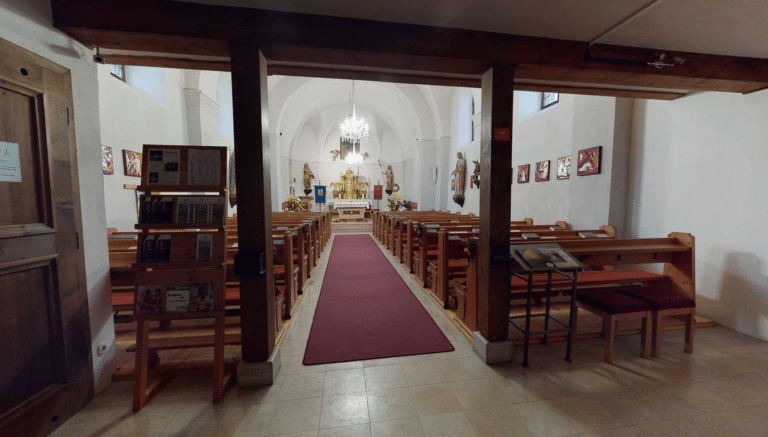
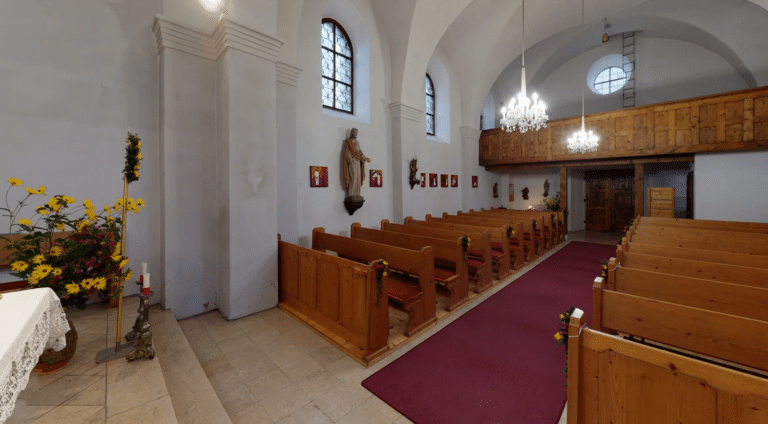
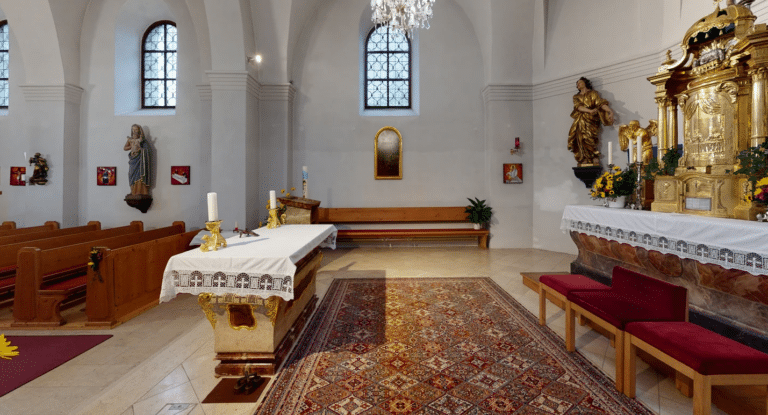
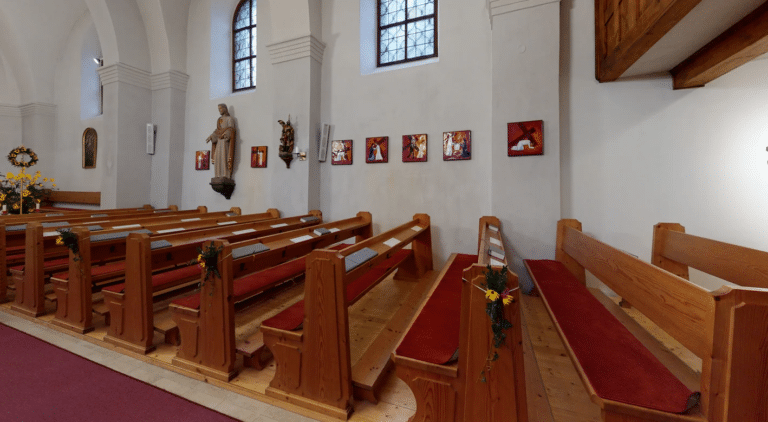
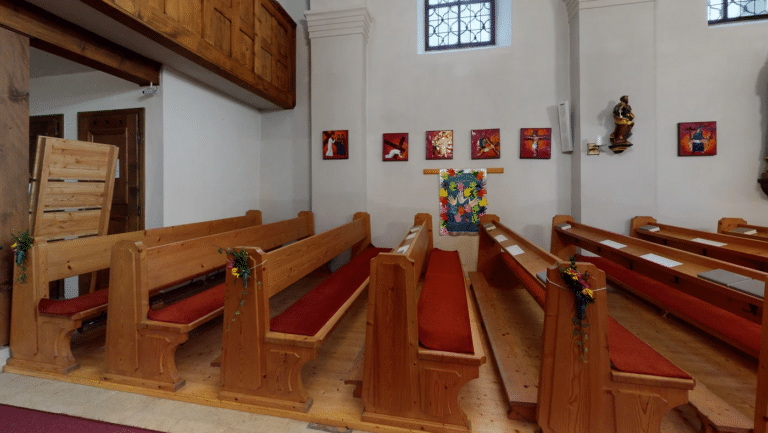
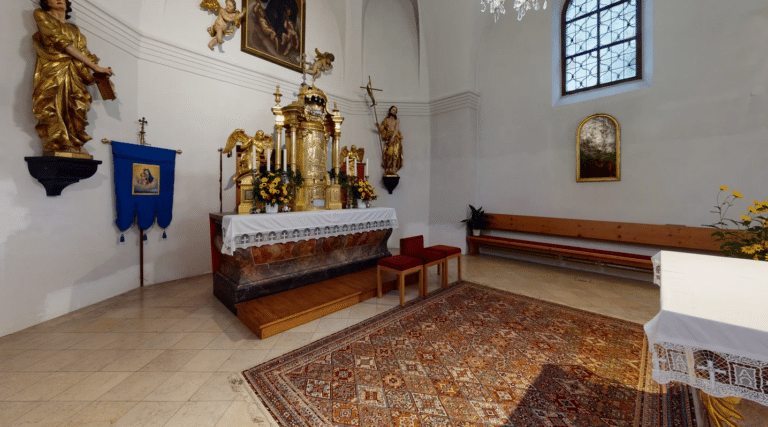
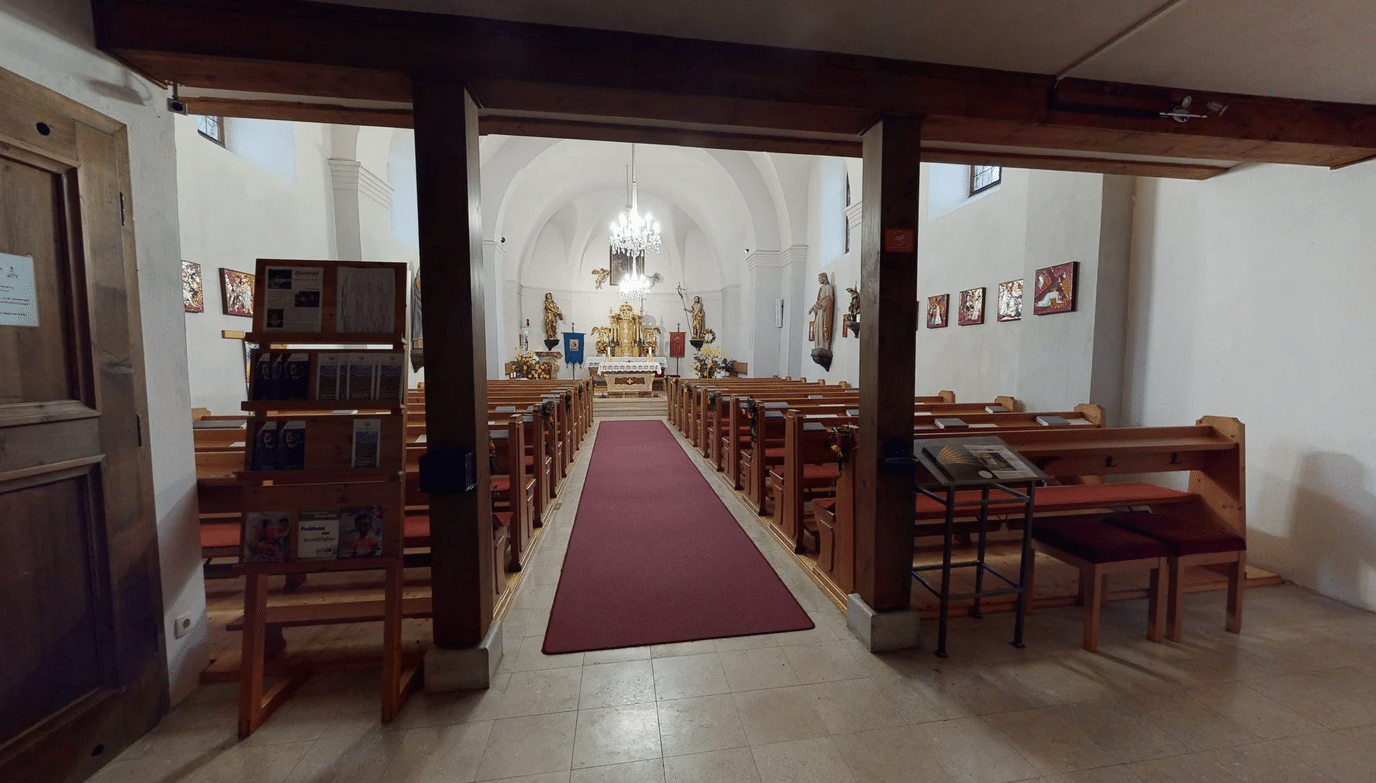
In 1946, flying sparks from the nearby railway caused a devastating fire that largely incinerated the church and vicarage and destroyed some irreplaceable works of art, including two angels by the sculptor Josef Stammel and a late Gothic Anna Selbdritt group. During the reconstruction, which was largely financed by insurance money, the diocese of Seckau took over the building of the church and Admont Abbey the construction of a new vicarage. St John's Church in Ardning was rebuilt in a simple Baroque style.
From 1956 to 2015, pastors lived in the Ardning vicarage again, before the current superior and pastor of Frauenberg, Fr Maximilian Schiefermüller OSB, who is also responsible for the pastoral care of the Ardning branch, began to work more closely together in the Frauenberg parish.