
Contemporary art in the museum of Admont Abbey
A dialogue between tradition and innovation
Contemporary art in old walls - special exhibitions 2026: Hannes Schwarz and Josef Pillhofer
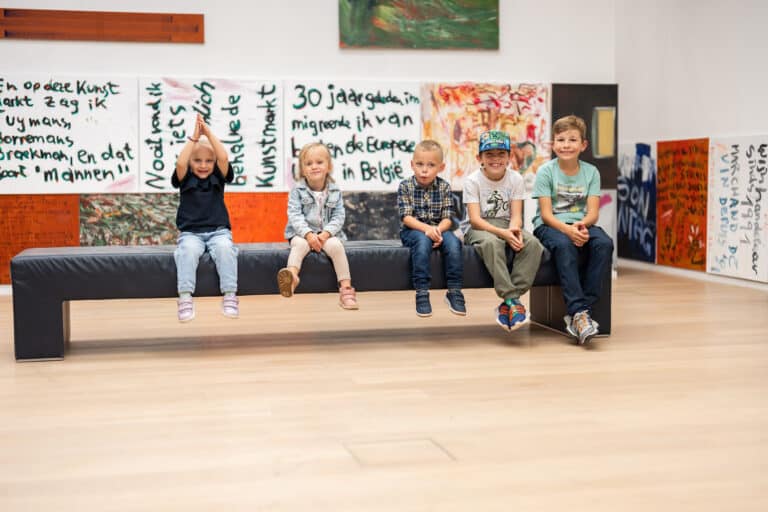
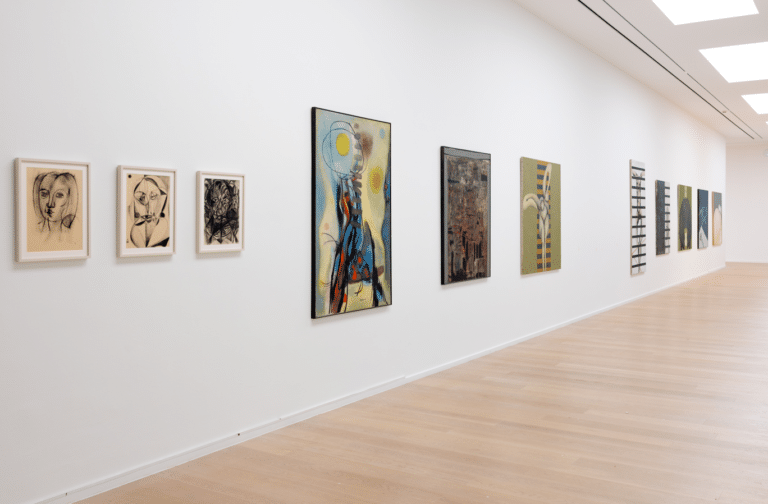
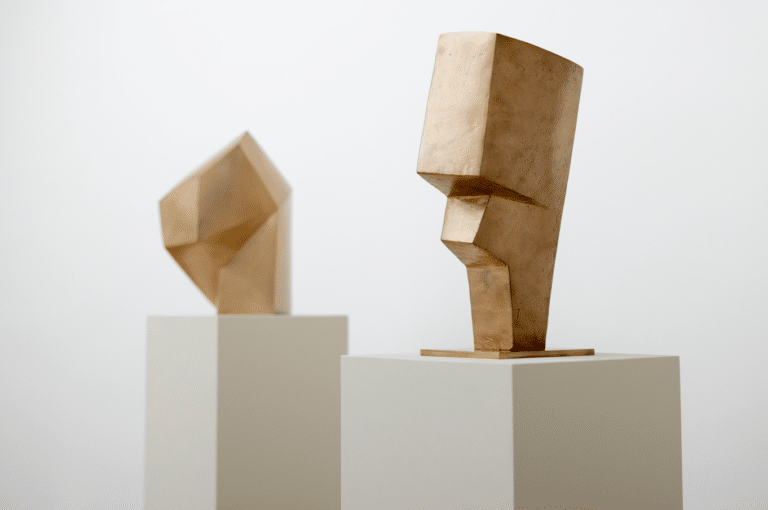
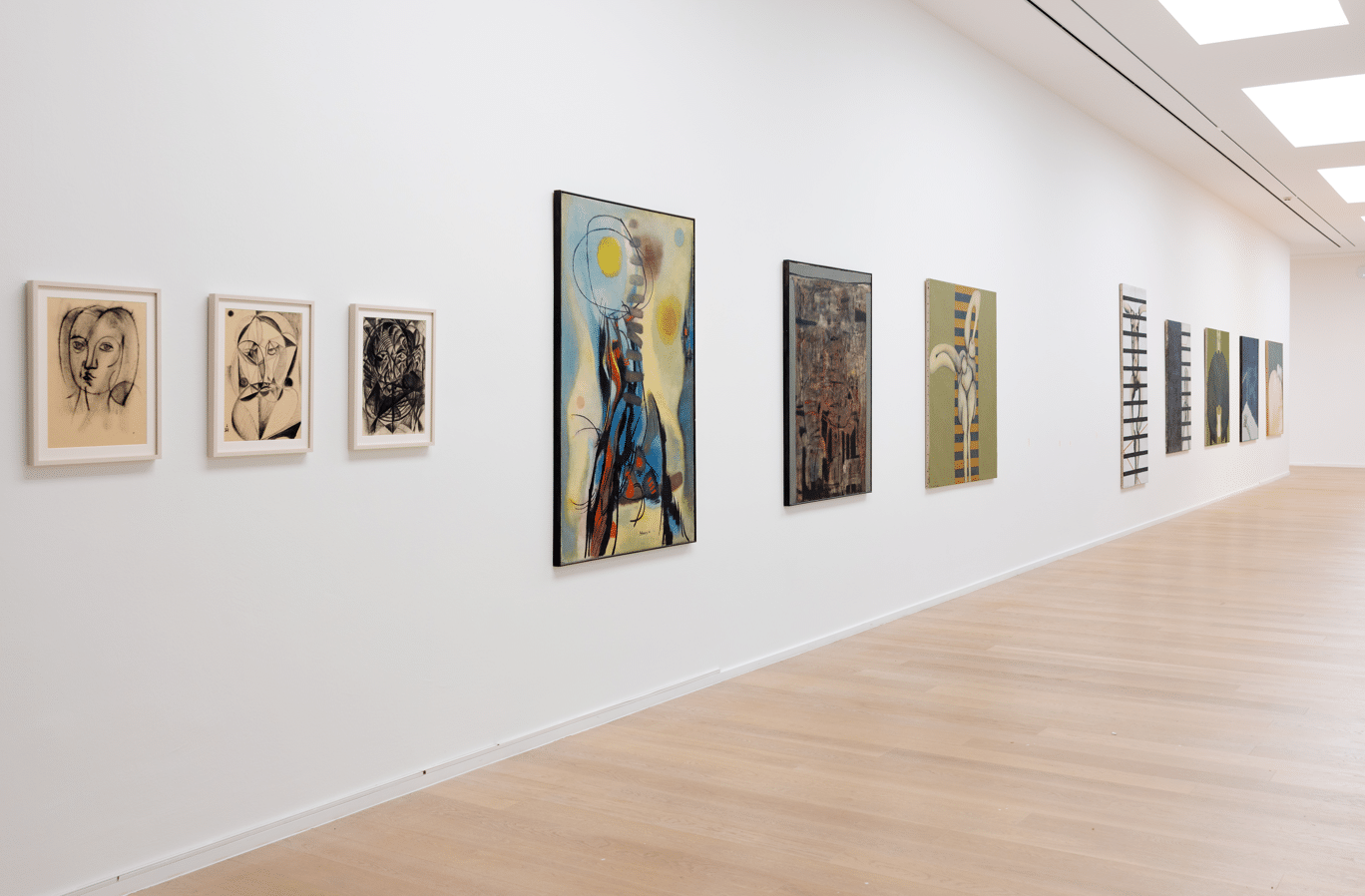
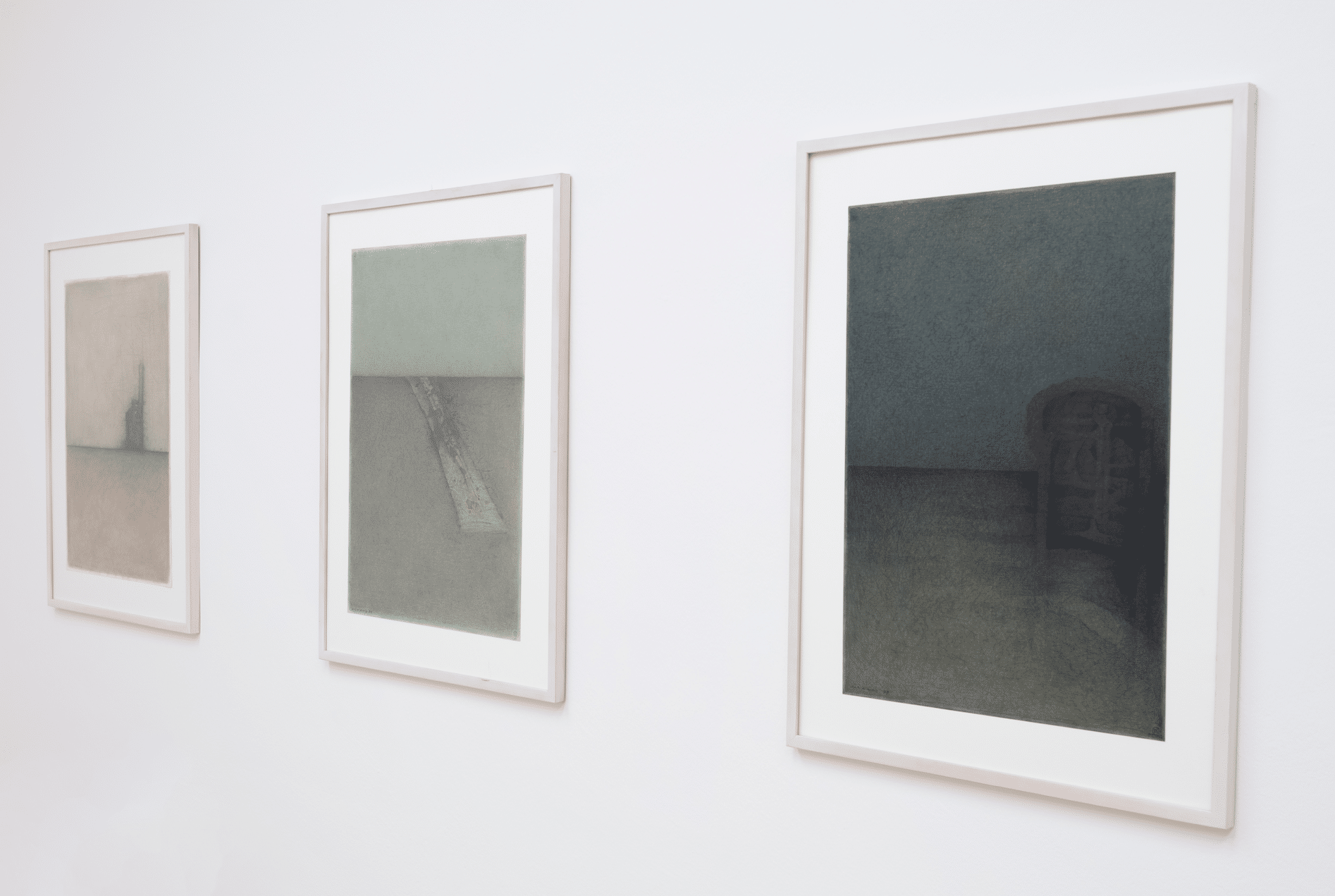
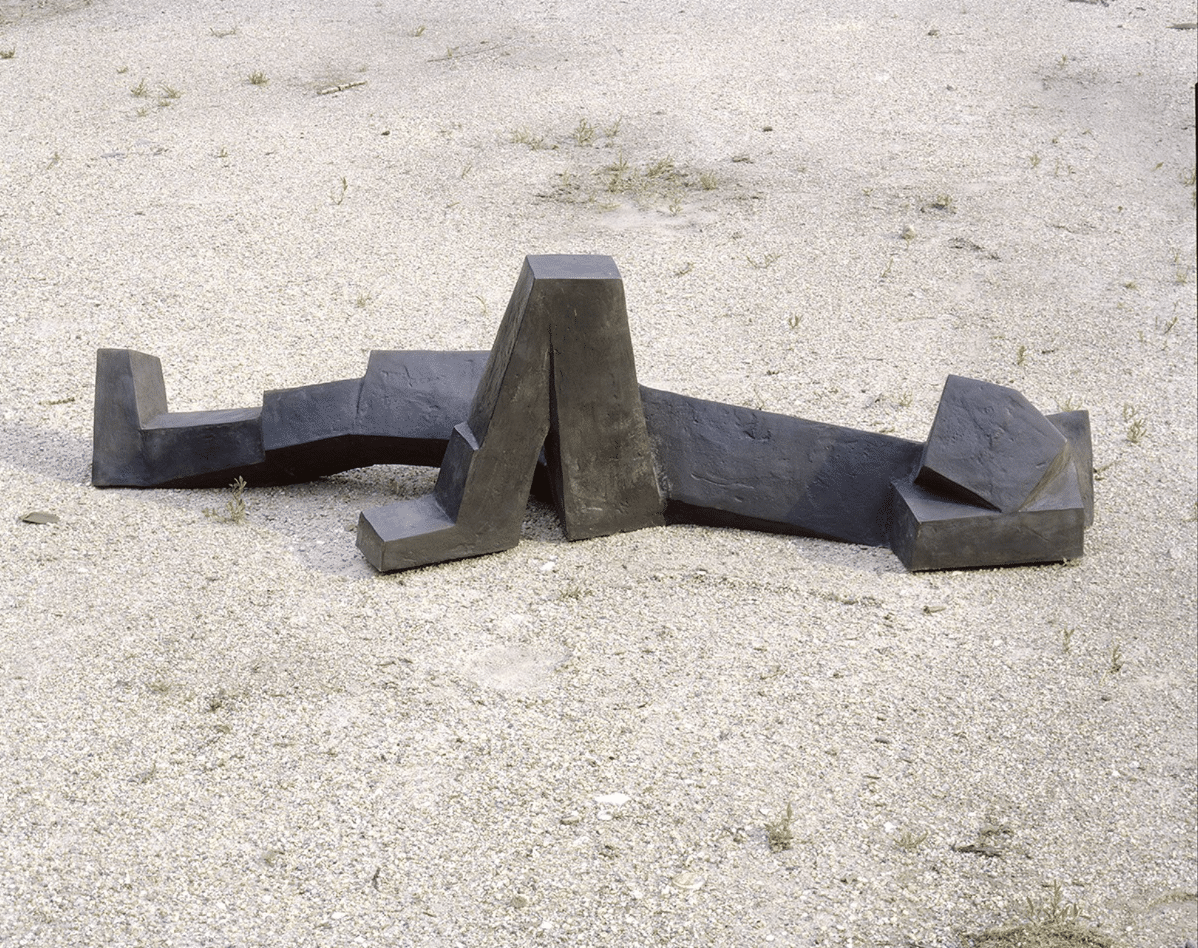
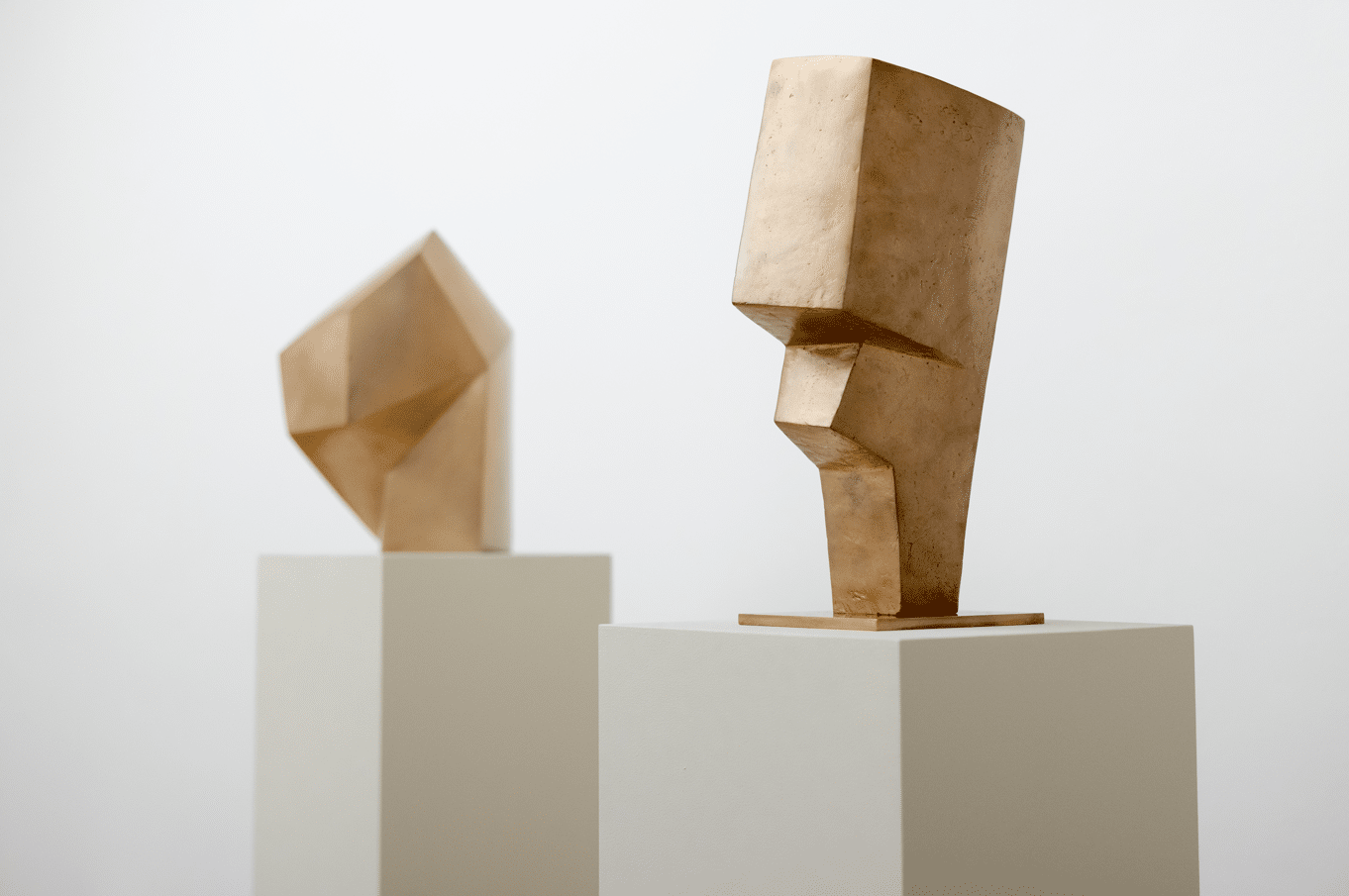
The second floor of the museum has hosted changing exhibitions every year since the opening of the large-scale museum in 2003. In 2026, the work of two important Austrian artists of the 20th century will be on display. To mark the 100th birthday of the painter Hannes Schwarz (1926-2014), an overview of his work will be on display. An exhibition on the sculptor Josef Pillhofer (1921-2010) is being organised in parallel. The works of two central protagonists of Styrian art in the post-war period thus enter into a discourse: Hannes Schwarz's drawings, paintings and graphics are on display, while Josef Pillhofer's sculptural works, drawings, collages and a tapestry that has rarely been shown to date are on show.
The opening of both exhibitions will take place on 19 March 2026, starting at 17:00 in the Museum of Admont Abbey.
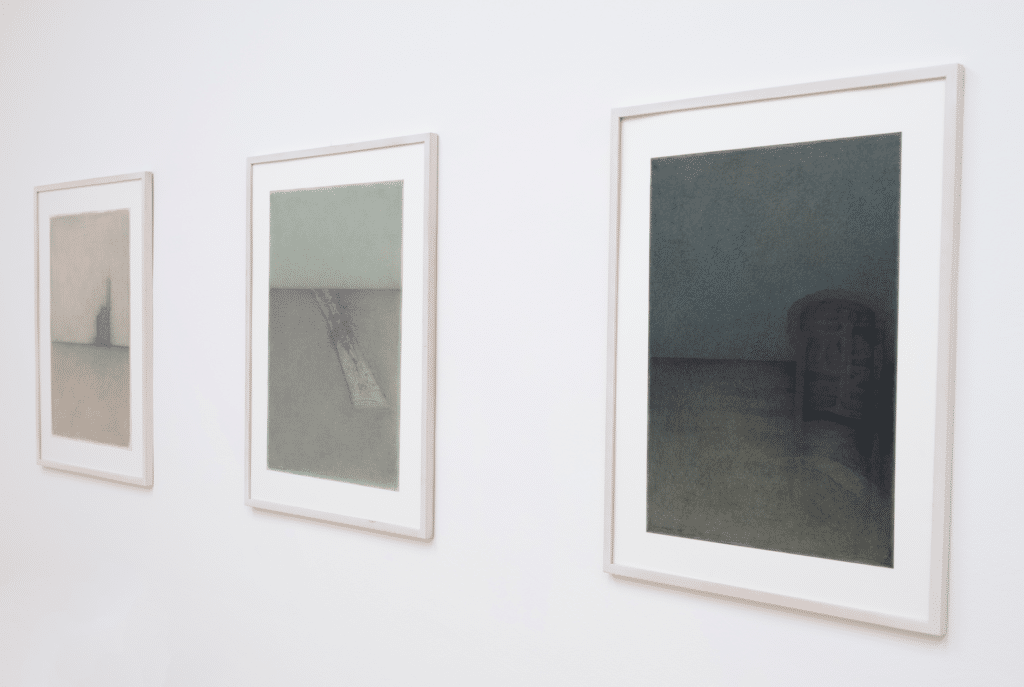
Injured. Hannes Schwarz in the collection of the Benedictine Abbey of Admont
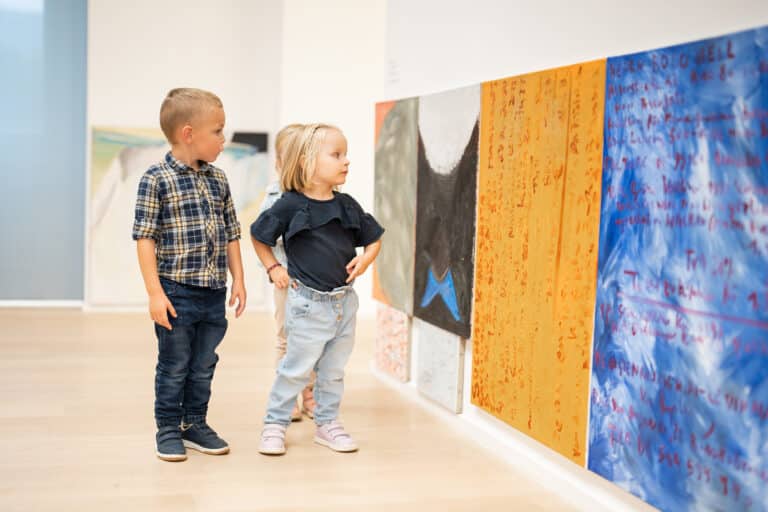
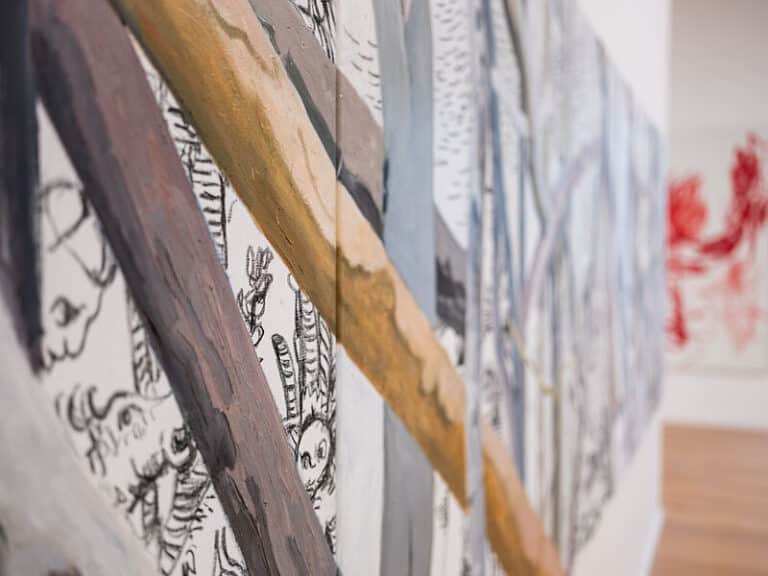
The exhibition „Verletzt“ offers a comprehensive insight into the multi-faceted work of Hannes Schwarz, which is characterised by existential questions and stylistic changes. After early abstract works in the 1950s and experimental printing techniques from 1959 onwards, the vulnerable, deformed human figure became the focus of attention from the mid-1960s onwards. From around 1975, the series „Verletzt“ (Injured) marked a turning point towards reduced, landscape-like pictorial spaces in which the exposure of the human being is thematised.
Counterworlds memorial project - Hannes Schwarz (1926-2014)
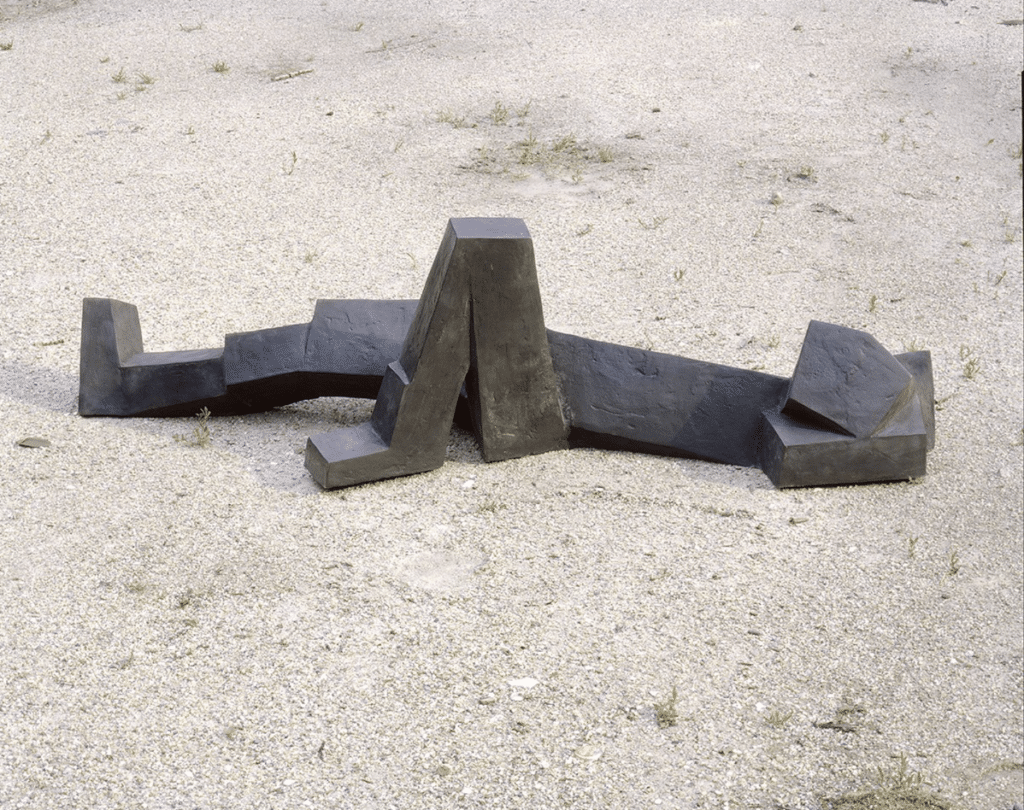
Josef Pillhofer. Between abstraction and figuration
Josef Pillhofer is one of the most important Austrian sculptors of the second half of the 20th century. After studying in Graz and Vienna and a formative period in Paris, he developed an independent formal language between abstraction and figuration. His work, which deals intensively with space, structure and the human figure, is presented in Admont with selected works on loan from private collections.
Contemporary art at Admont Abbey - tradition and innovation in dialogue
In 1997, the Admont Abbey started building a collection of contemporary art. This initiative was closely tied to the simultaneous redesign of the outdated museum that began in the same year. After five years of reconstruction, the museum was reopened in 2003. The museum, equipped according to the latest international standards, spans three floors and the attic.
The diversity of contemporary art
The collection also includes larger groups of works by selected artists, such as the "Hannes Schwarz Foundation", which was donated to the monastery in 2002. A strong group is also made up of works by representatives of "New Painting" from the 1980s, who have continued to develop in a wide variety of directions. Through permanent acquisitions, permanent loans and donations, the collection is undergoing an exciting, dynamic process of expansion.
In addition to works of art by established artists who have made a name for themselves not only in Austria but also internationally, works by young or lesser-known but convincing artists are also purchased from time to time. Wherever possible, the Foundation endeavours to support the further development of young, not yet established artists.

Contemporary art collection since 1997
Since 1997, Admont Abbey has continuously been building up a collection of contemporary art. This collection currently contains more than 1,500 individual works, mainly from the middle of the 20th century, by more than 160 artists who were born or worked in Austria.
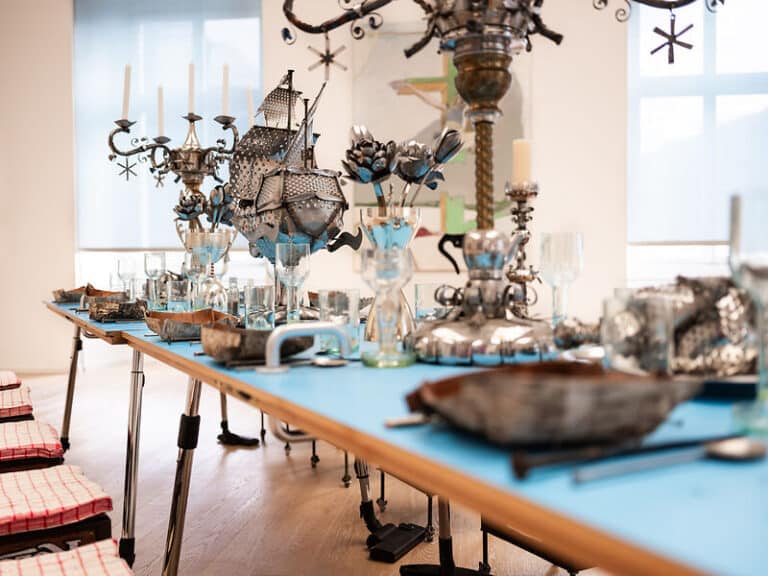
It consists of two parts: Studio and gallery purchases, as well as commissioned MADE FOR ADMONT art. In recent years, a number of artists have created important works and groups of works at the invitation of the Abbey.
The connection between blind and sighted people
A worldwide speciality is the special collection "JENSEITS DES SEHENS – Kunst verbindet Blinde und Sehende" (Beyond seeing – art connects those who are blind and those who can see).
These works of art, which have been created especially for the Admont Collection since 2002, do not focus on perceiving things through one's eyes. They have been designed for the visually impaired, those who are blind and those who can see, with the highest quality standards and initiate a dialogue.